Wednesday, May 26, 2021 – from 1930’s realism to 1960’s modernism
FROM THE ARCHIVES
WEDNESDAY, MAY 26, 2021
373rd ISSUE
ARTIST MAX ARTHUR COHN
THE SMITHSONIAN AMERICAN ART MUSEUM
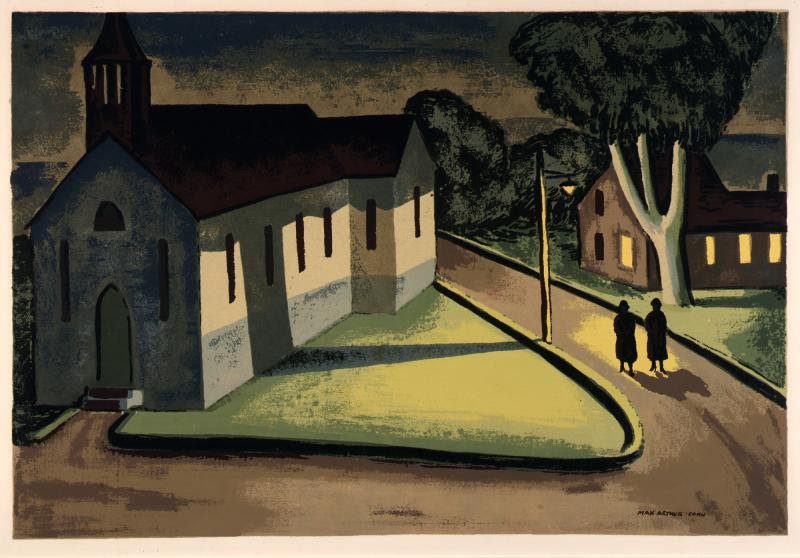
Max Arthur Cohn, Untitled (Night Scene), 1944, color screenprint on paper, Smithsonian American Art Museum, Gift of the artist, 1984.63.5, © 1984, Max Arthur Cohn
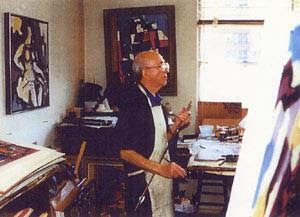
Best known as a pioneer in screenprints, Max Arthur Cohn was born to Russian immigrants in London, in 1903, and moved with his family to New York City in 1905. He got his first art-related job creating commercial silkscreens when he was seventeen. Cohn began to experiment with silkscreening on his own and later exhibited his prints in New York City and Washington, D.C., in the 1930s and ’40s. During the Great Depression, he also worked as an easel painter for the Works Progress Administration (WPA), a New Deal program that supported artists by providing them with a small stipend. In the 1950s, Cohn owned a graphic arts business in Manhattan, and is credited with teaching silkscreen techniques to a young Andy Warhol. Cohn coauthored several books on silkscreening, including the influential 1958 book Silk Screen Techniques, written with J. I. Bielgeleisen.
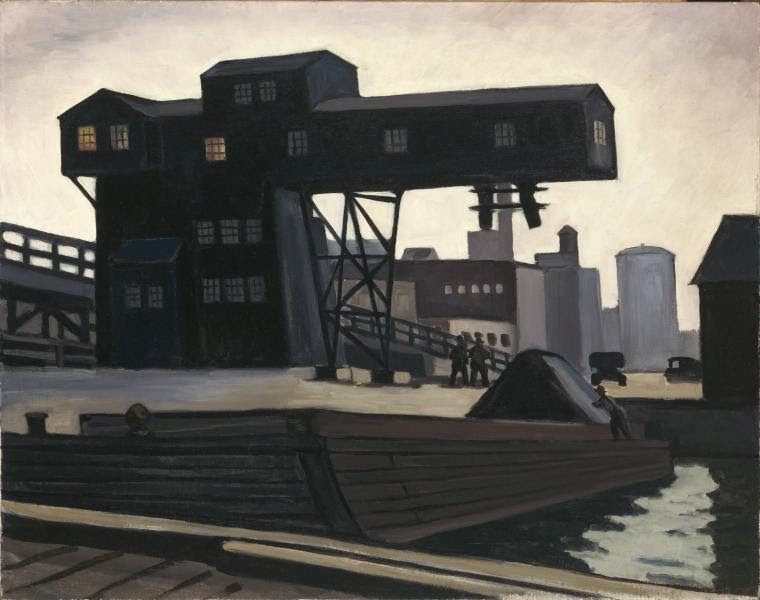
- Max Arthur Cohn, Coal Tower, ca. 1934, oil on canvas, Smithsonian American Art Museum, Transfer from the U.S. Department of Labor, 1964.1.4
- The London-born artist Max Cohn often painted New York industrial scenes like this one, showing the men and machines that kept the great city working. In this painting the viewer looks up from a pier at the dark silhouette of a coal tower standing over a coal-laden barge. The windows of the tower glow golden, showing that men are inside running the giant scoop that unloads coal from the barge and drops it onto a conveyor belt within the tower. From there the coal that has just arrived by barge from Pennsylvania or New Jersey goes to power one of New York’s electrical generating stations or factories. Cohn spent time among the docks and coal towers where he learned how men worked to provide fuel for the city. With a striking combination of light and dark, lines and masses, the artist describes the grimy dockside world. Cohn’s paintings reveal his fascination with the rough, modern geometry of New York’s barges, tugboats, warehouses, and factories and the men who worked in them.
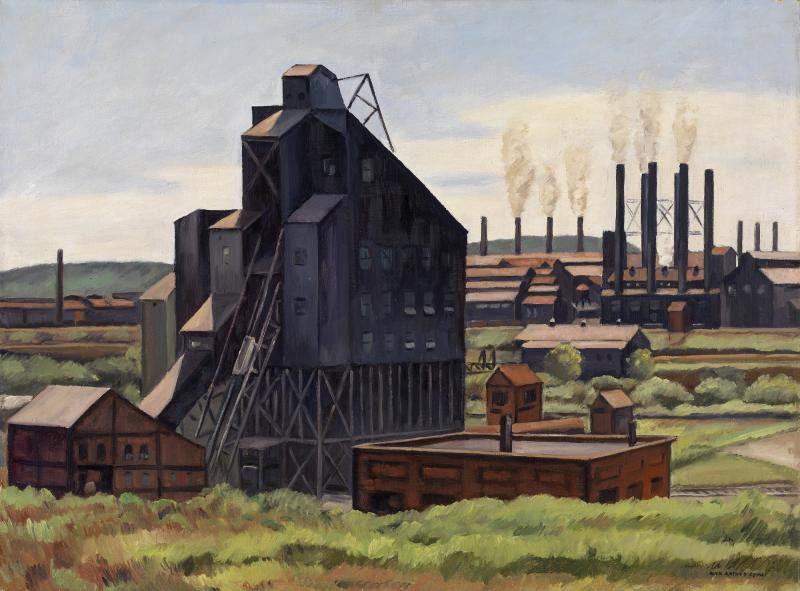
Max Arthur Cohn, Bethlehem Steel Works, 1938, oil on canvas, Smithsonian American Art Museum, Gift of Mr. Max Arthur Cohn, 1978.41.1
Max Arthur Cohn painted Bethlehem Steel Works in 1938, during the Great Depression and a few short years before America’s entry into World War II. The artist depicted one of the massive steel factories owned by Bethlehem Steel in Pennsylvania. Bethlehem Steel, now defunct, was once one of the largest steel producers in the United States. It produced the steel used in numerous American structural icons, most notably San Francisco’s Golden Gate Bridge. It also built 1,127 ships during World War II. In a letter about the painting, Cohn recalled being arrested in Bethlehem City, Pennsylvania, under suspicion of being a Nazi spy while painting a scene similar to this one in the summer of 1939 (The artist, to Harry Rand, February 20, 1978, The American Art Museum curatorial file).
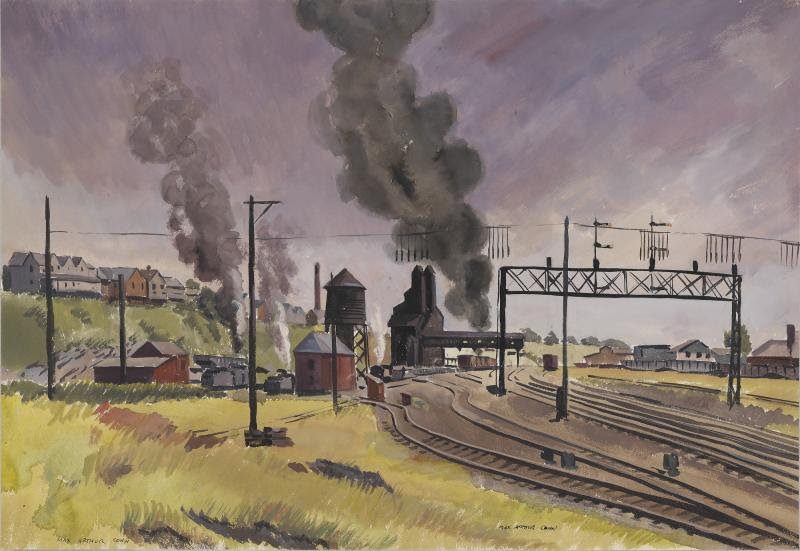
Max Arthur Cohn, Easton Railroad Yards, watercolor, Smithsonian American Art Museum, Gift of the artist, 1984.63.2
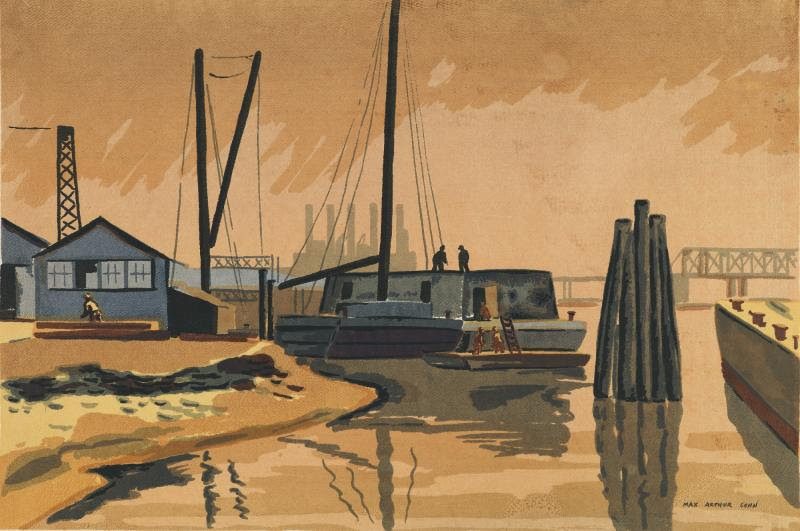
Max Arthur Cohn, Harlem River, screenprint, Smithsonian American Art Museum, Gift of the artist, 1984.63.4
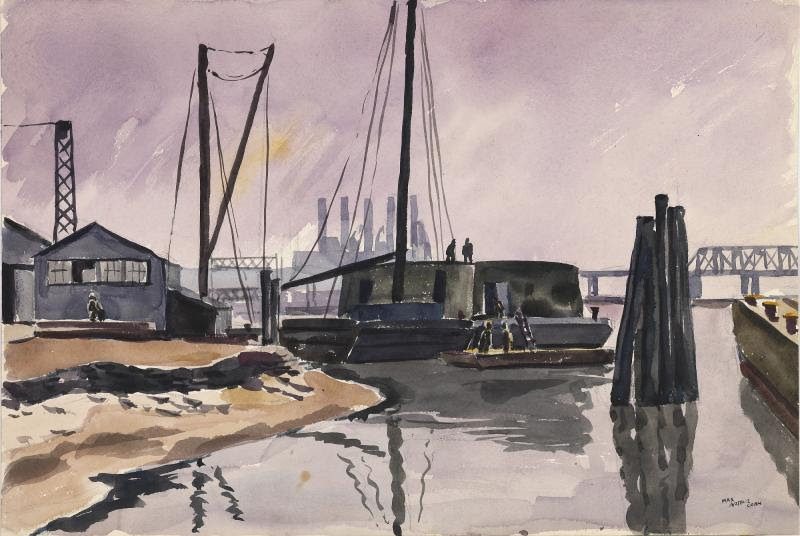
Max Arthur Cohn, Harlem River, 1934, watercolor, Smithsonian American Art Museum, Gift of the artist, 1984.63.1
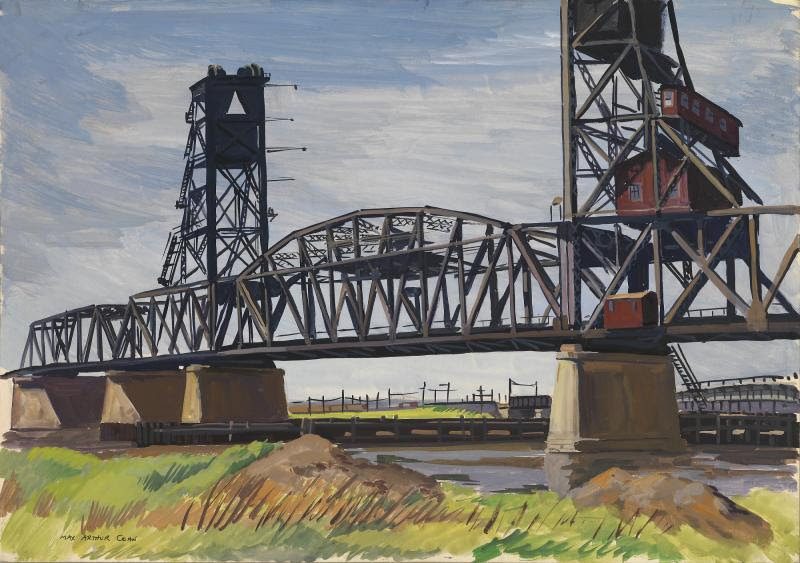
Max Arthur Cohn, Railroad Bridge, opaque watercolor, Smithsonian American Art Museum, Gift of the artist, 1984.63.3
POST- WPA WORKS
ART POST GALLERY
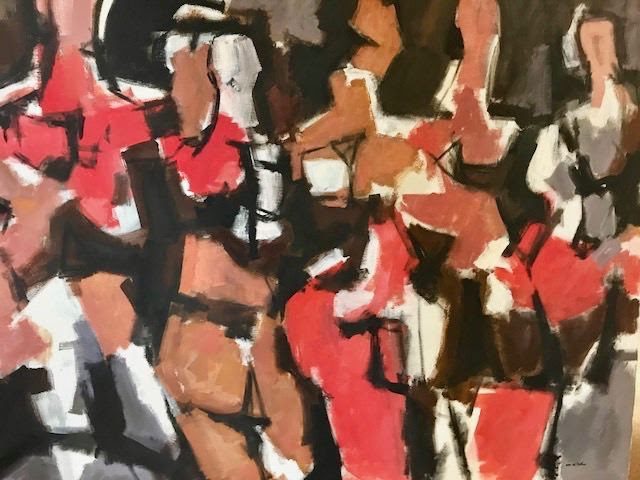
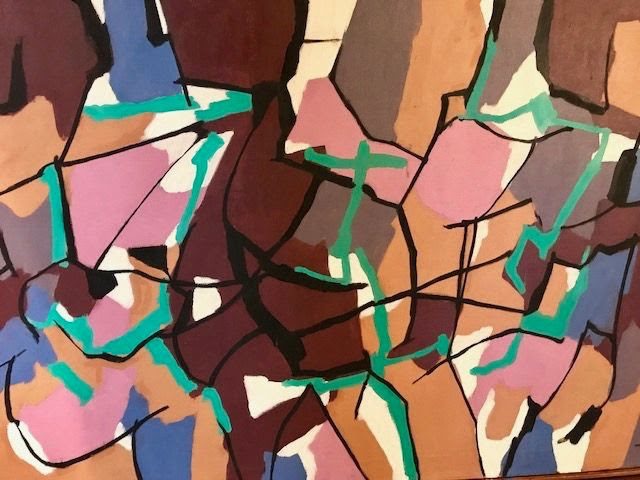
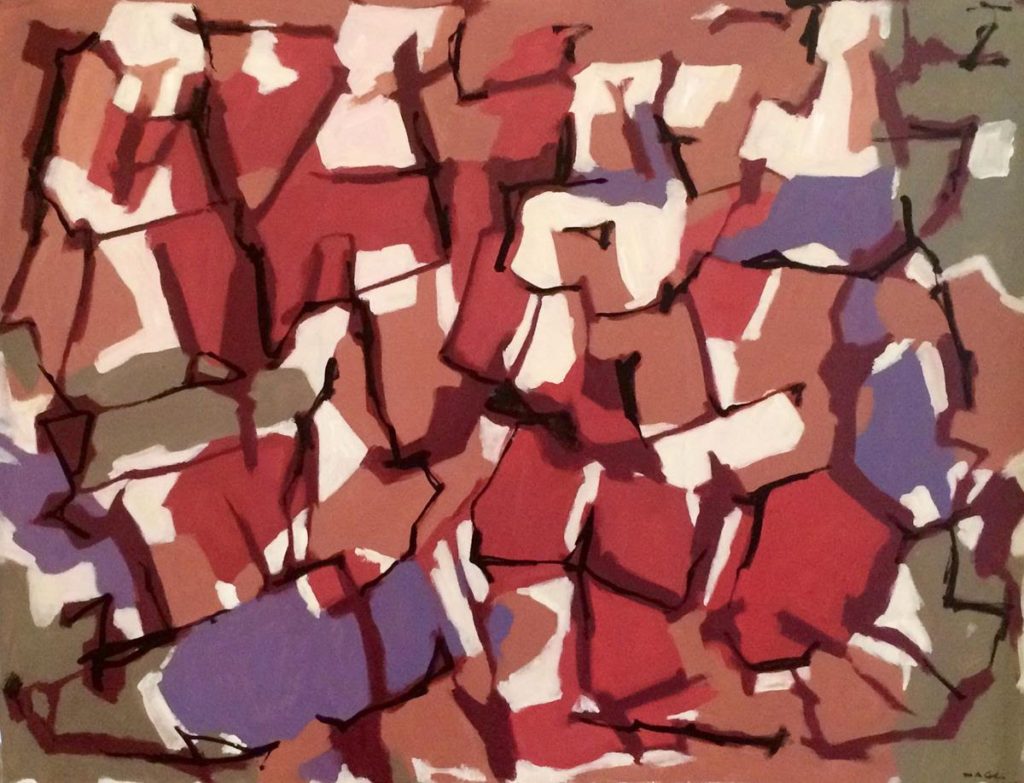
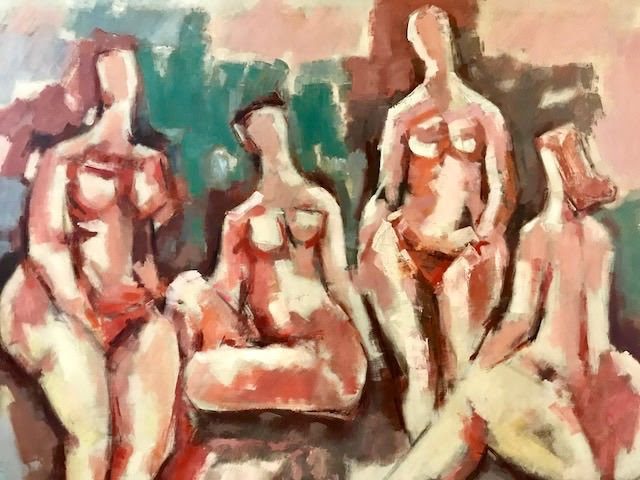
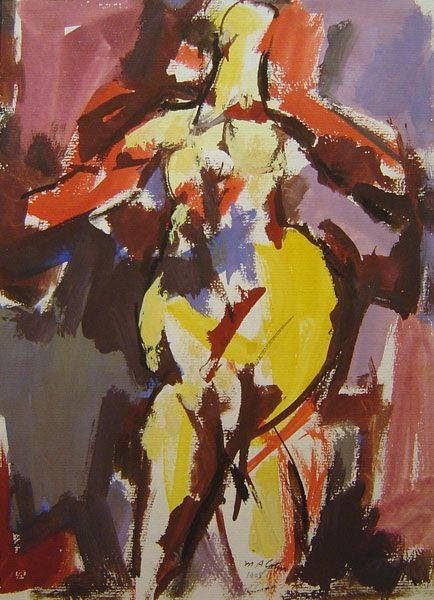
NUDE FIGURE 1968
WEDNESDAY PHOTOS OF THE DAY
SEND OUR SUBMISSION TO
ROOSEVELTISLANDHISTORY@GMAIL.COM
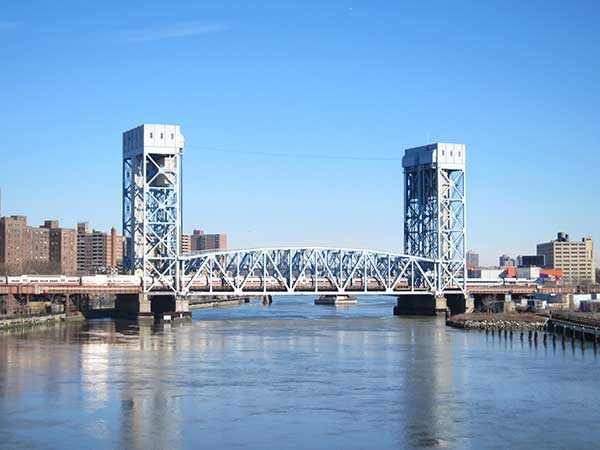
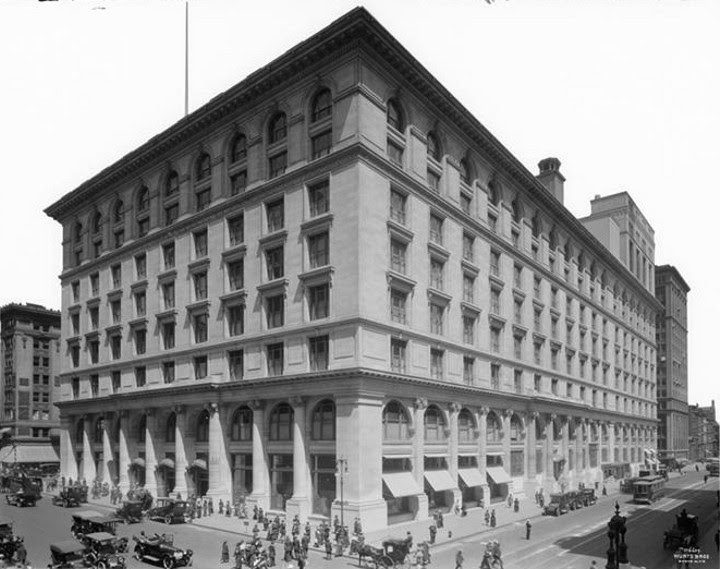
TUESDAY PHOTO OF THE DAY
B. ALTMAN & COMPANY
DEPARTMENT STORE
FIFTH AVENUE AND 34TH STREET
ARLENE BESSENOF, GLORIA HERMAN AND NINA LUBLIN GOT IT!
Text by Judith Berdy
Thanks to Bobbie Slonevsky for her dedication to Blackwell’s Almanac and the RIHS
Thanks to Deborah Dorff for maintaining our website
Edited by Melanie Colter and Deborah Dorff
All image are copyrighted (c) Roosevelt Island Historical Society unless otherwise indicated
SMITHSONIAN AMERICAN ART MUSEUM
ART-POST GALLERY
FUNDING PROVIDED BY ROOSEVELT ISLAND OPERATING CORPORATION PUBLIC PURPOSE GRANTS CITY COUNCIL REPRESENTATIVE BEN KALLOS DISCRETIONARY FUNDING THRU DYCD

Copyright © 2021 Roosevelt Island Historical Society, All rights reserved.Our mailing address is:
rooseveltislandhistory@gmail.com